Last updated:
Commercial solar panels in Birmingham pay back fastest where a business uses most of its electricity during the day. Offices, warehouses, workshops, farms and shops draw power while the sun is up, so a larger share of what the panels make replaces electricity you would otherwise buy. That share, more than the size of the roof, decides how well a system performs.
Designing around your daytime demand
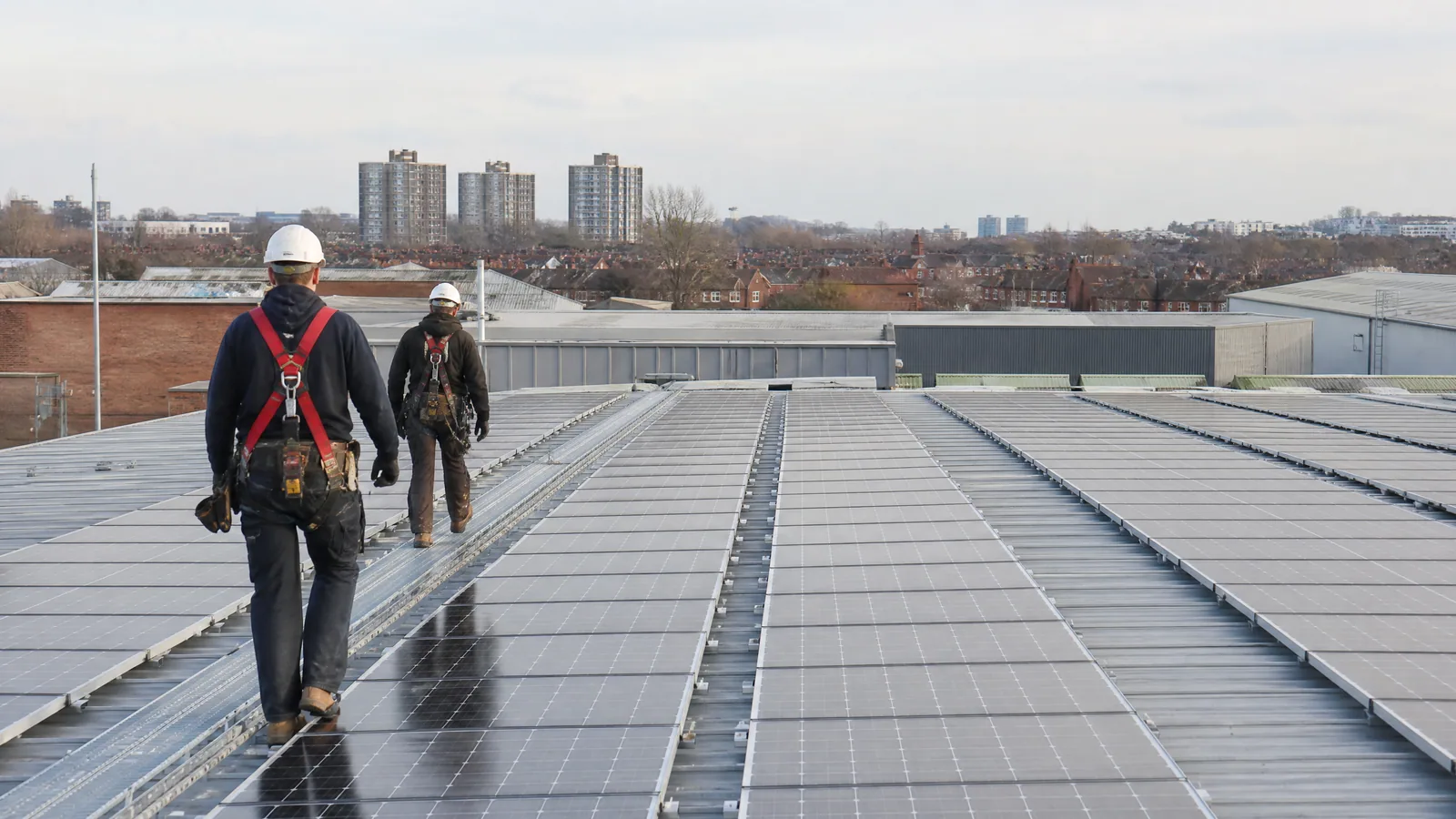
The starting point is your half-hourly electricity data, which most business meters record. Set against PVGIS figures for your roof, it shows how much solar you would use on site and how much would be exported. In Birmingham, a south-facing roof gives about 969 kWh a year per kWp of panels, and an east or west-facing one about 777 kWh. Flat commercial roofs can be laid out to face south, or east and west to spread generation through the working day.
A system sized to your daytime load usually beats the biggest array the roof can take, because exported power earns less than the power you avoid buying. The survey also checks that the roof structure can carry the panels and that the roof covering has years of life left in it.
Grid connection
Every grid-connected system has to go through National Grid Electricity Distribution. Under the rules MCS summarises for installers, a system up to 16 amps per phase is notified under G98 within 28 days of switching on. Anything larger falls under G99 and needs approval before it is connected, which covers most commercial systems. The application is made as part of the design, and its timing is built into the programme.
Planning
Businesses have their own permitted development rules, and conservation areas and listed buildings still apply. Birmingham has 29 conservation areas, including the Jewellery Quarter, Digbeth, Deritend and Bordesley High Streets, Colmore Row and Steelhouse in the city centre. The planning position is checked for your site before anything is quoted. Do solar panels need planning permission in Birmingham? covers the rules for homes.
Tax and VAT
The 0% VAT rate on solar in HMRC’s energy-saving materials rules applies to homes and some residential and charity buildings, not business premises. On the other hand, businesses can claim capital allowances on plant and machinery. Ask your accountant which allowance applies.
Farms and landlords
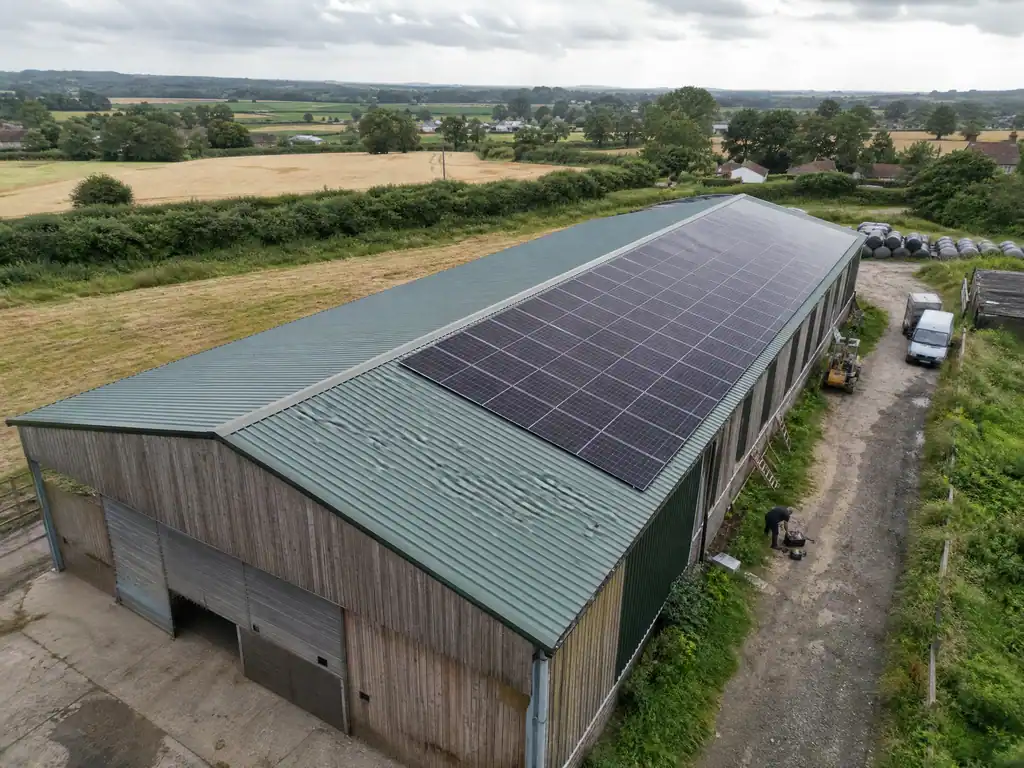
Barn and outbuilding roofs are often large, open and unshaded, and farms tend to use power through the day. Landlords with several properties can plan solar across a portfolio, scheduled around tenants. Both follow the same process: usage first, then the roof, then the design.
Once a system is running, solar panel maintenance keeps it earning. If you want to store daytime generation for evening use on site, see solar battery storage.
What's included
- Half-hourly electricity data reviewed against likely generation
- Roof type, condition and structure assessed
- System designed around your daytime load
- Grid connection application to National Grid Electricity Distribution
- Planning position checked for the site
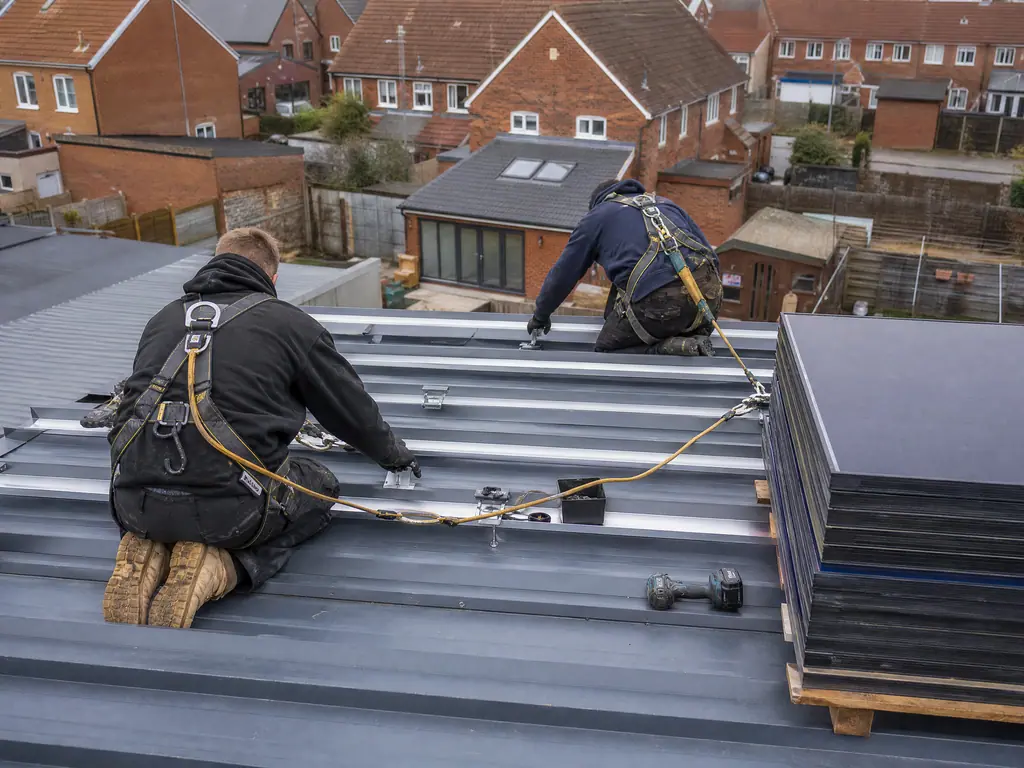
- Installation scheduled around your working hours
- Monitoring set up for the site
- Handover pack for your records and accountant
How the options compare
Electricity bills
- Carry on as now
- All bought from the grid
- Biggest array that fits
- Cut, with a lot exported cheaply
- Sized to your daytime demand
- Cut where you use it most
Grid connection
- Carry on as now
- No change
- Biggest array that fits
- May need a bigger, slower application
- Sized to your daytime demand
- Application sized to the design
Roof
- Carry on as now
- No change
- Biggest array that fits
- Loaded to the maximum
- Sized to your daytime demand
- Checked and loaded to suit
Payback
- Carry on as now
- None
- Biggest array that fits
- Diluted by low-value export
- Sized to your daytime demand
- Built on power you would otherwise buy